Pilot Project Seeks to Make a Splash
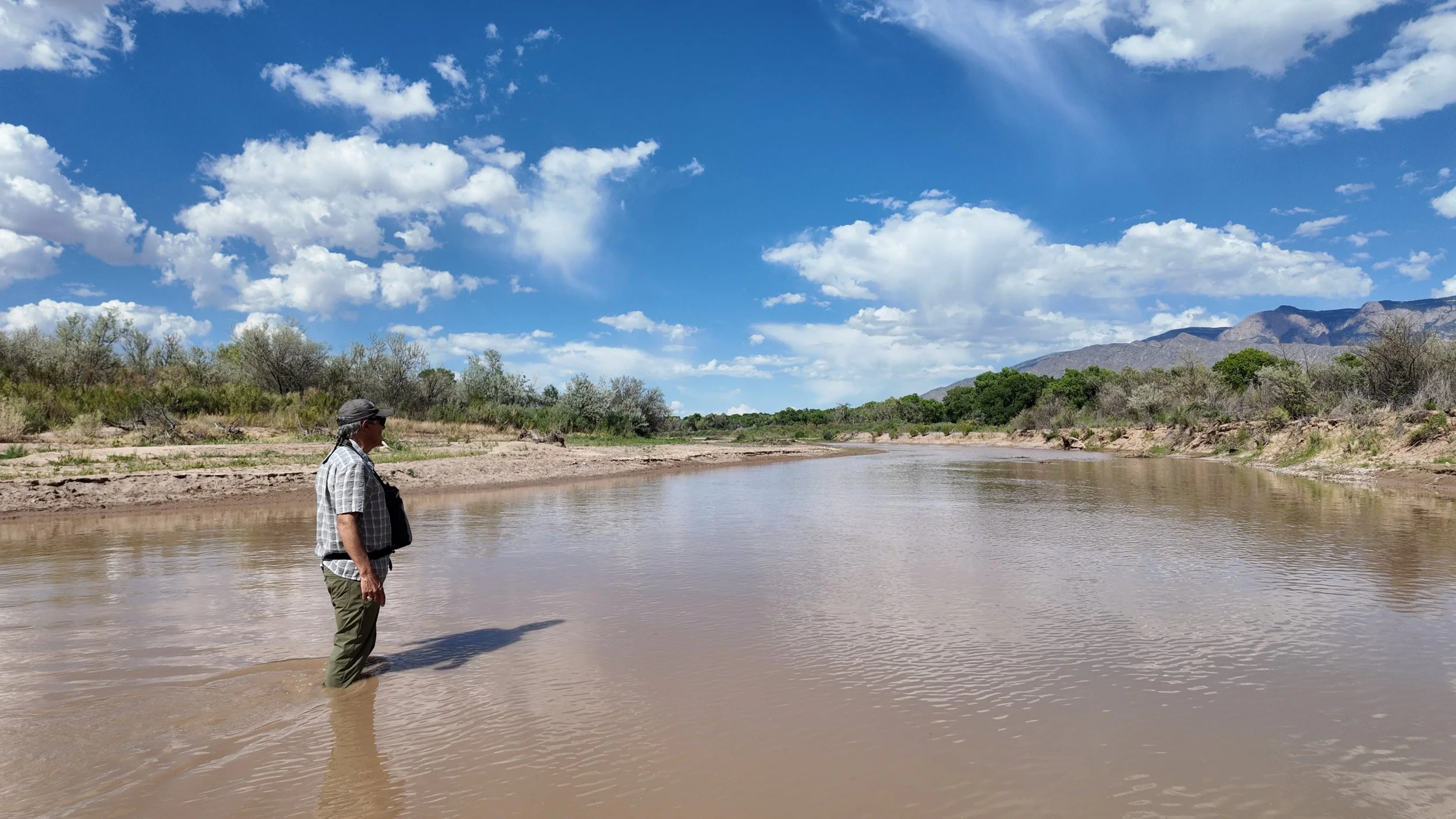
In sandals, with his camera in a dry bag around his neck, Paul Tashjian crosses the Rio Grande north of Albuquerque.
Reinhabiting a River
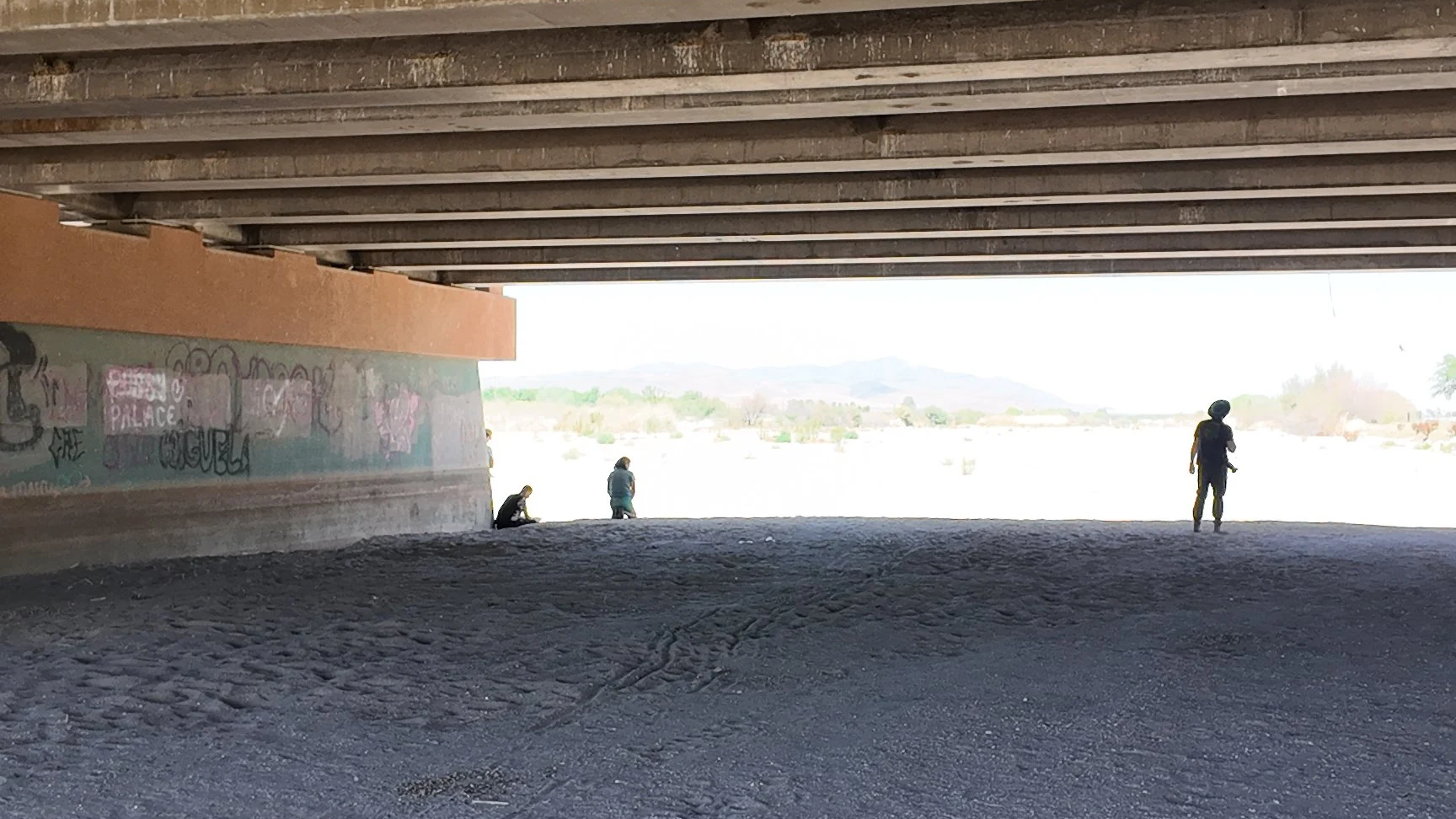
At the end of May, southern New Mexicans welcomed back the Rio Grande.
While the Rio Grande dries, NM backs down on water protections
The NM Water Quality Control Commission accepts oil industry petition for new rulemaking process on drilling wastewater
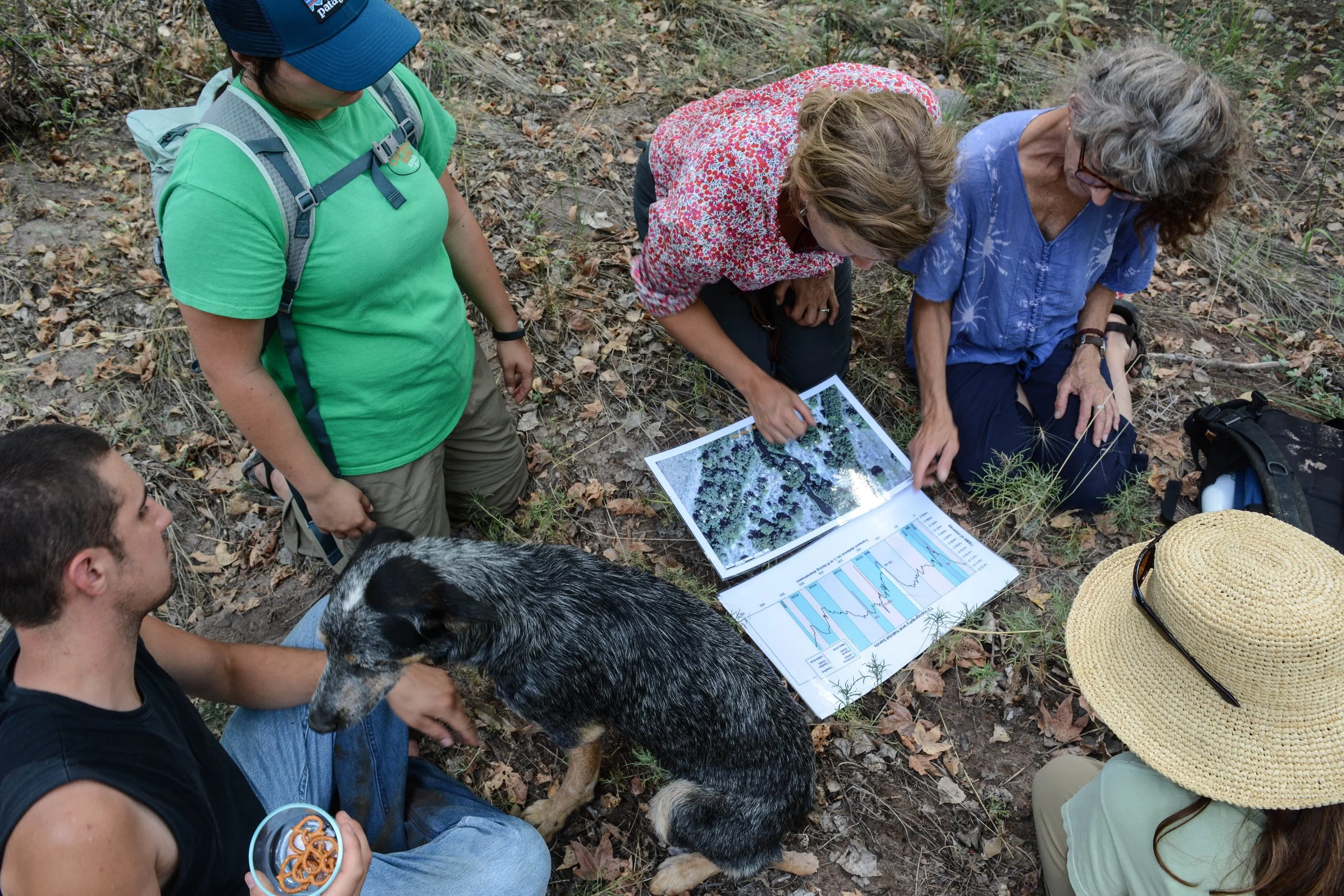
“What can we do?” (A lot.)
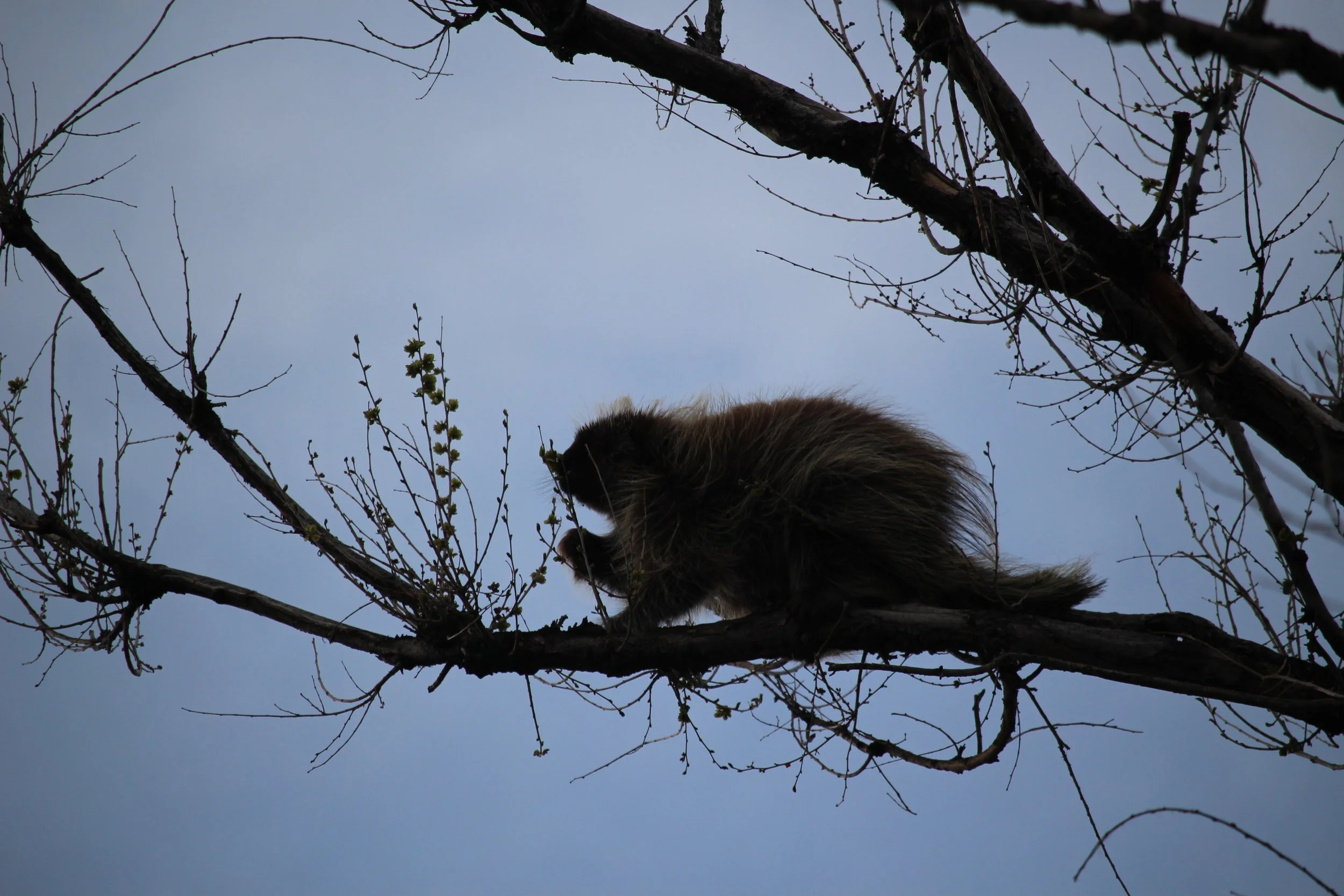
Whether you’re a person or a porcupine, you can be a good inhabitant of your watershed.
It’s the right time
Underlying a story like this is another grievous fact: rivers in New Mexico don’t have rights to their own waters.
‘The river was never meant to sit the way it does behind the walls of these dams’
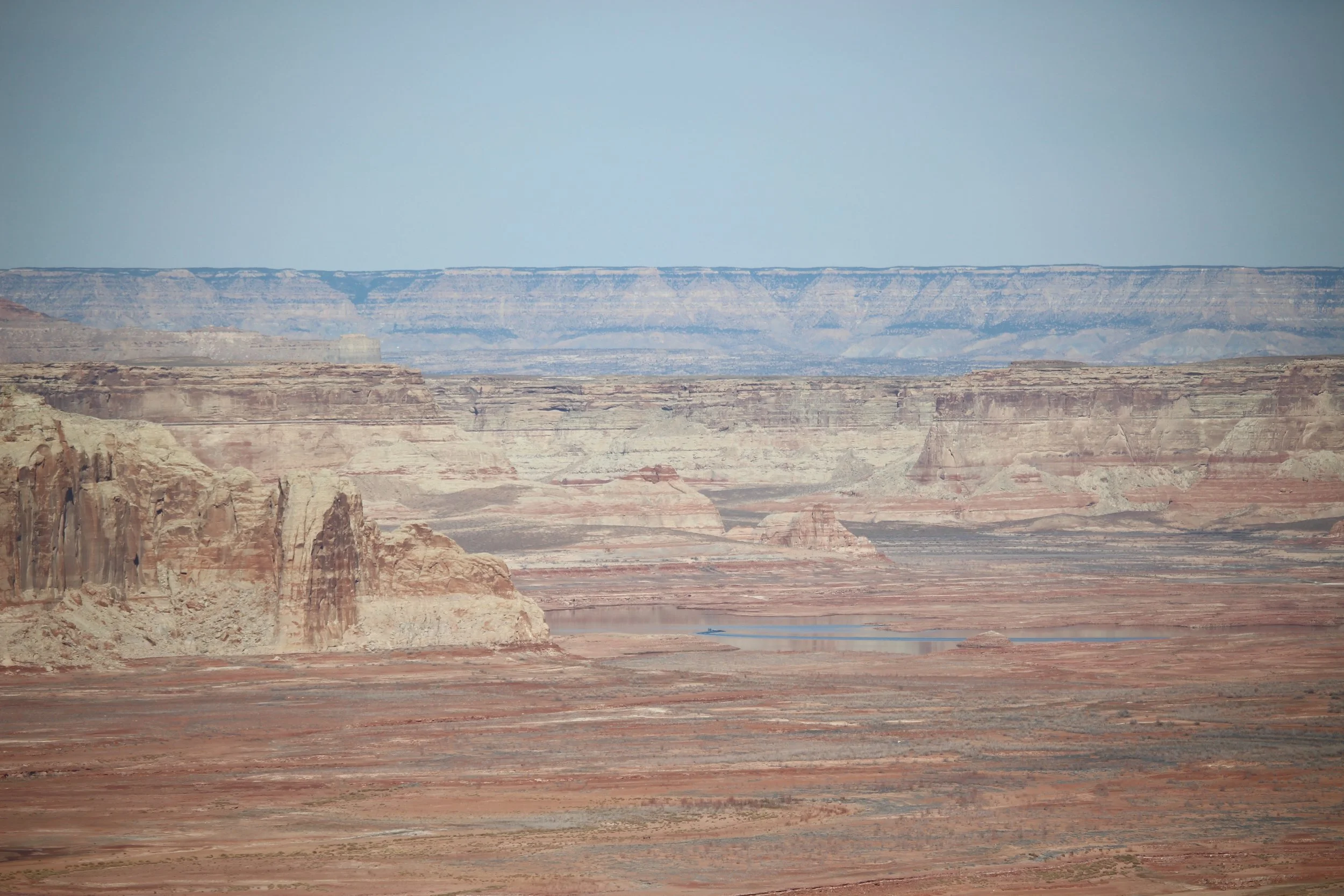
Like I wrote over at Source New Mexico last week, the Rio Grande is my home river. But the Colorado River watershed also feeds places like Santa Fe and Albuquerque, where I live.
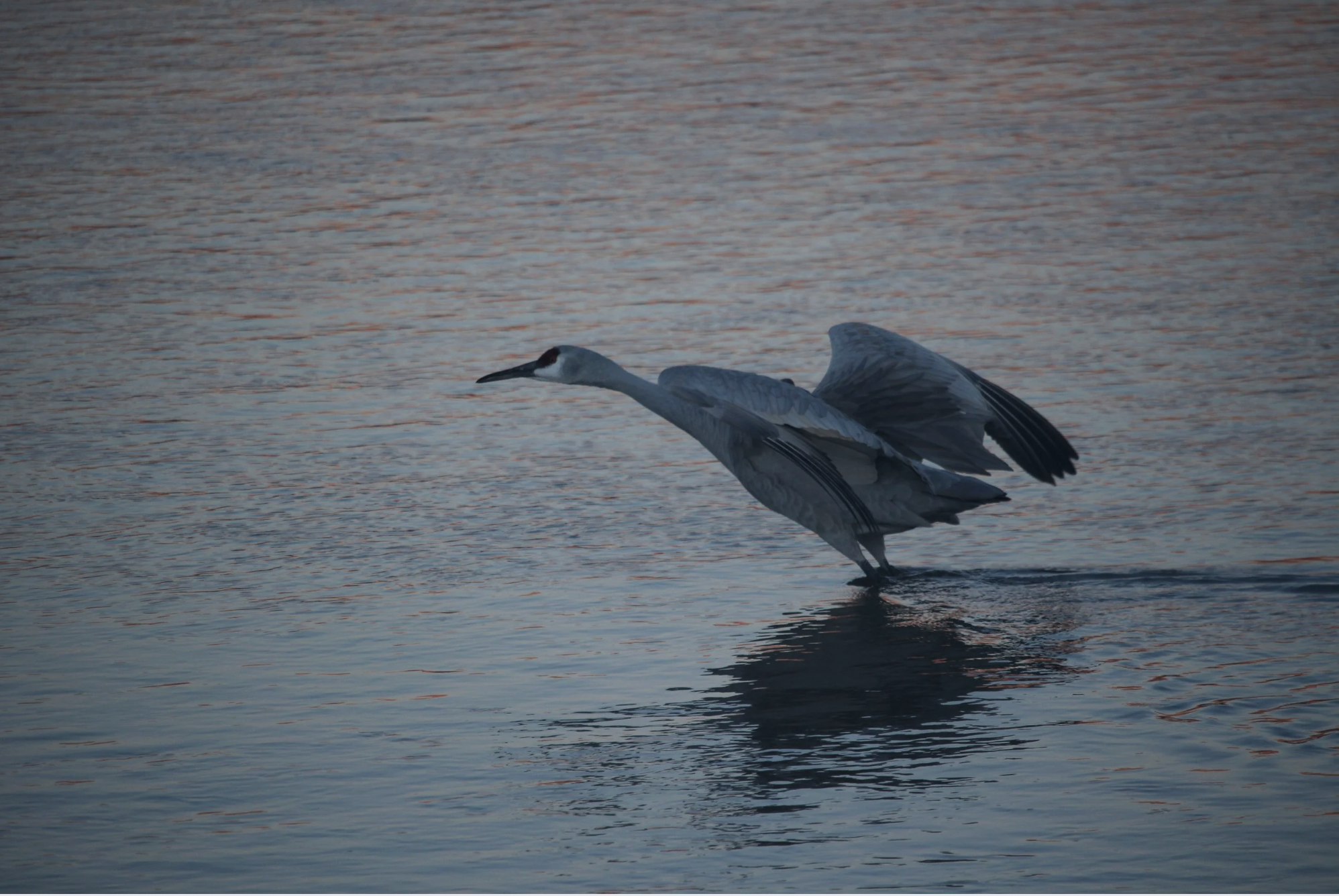
Will New Mexico’s Rivers Get a Cut of the Budget in 2026?
As New Mexico’s state legislators ready for the 2026 session, constituents can weigh in on whether rivers are a priority.
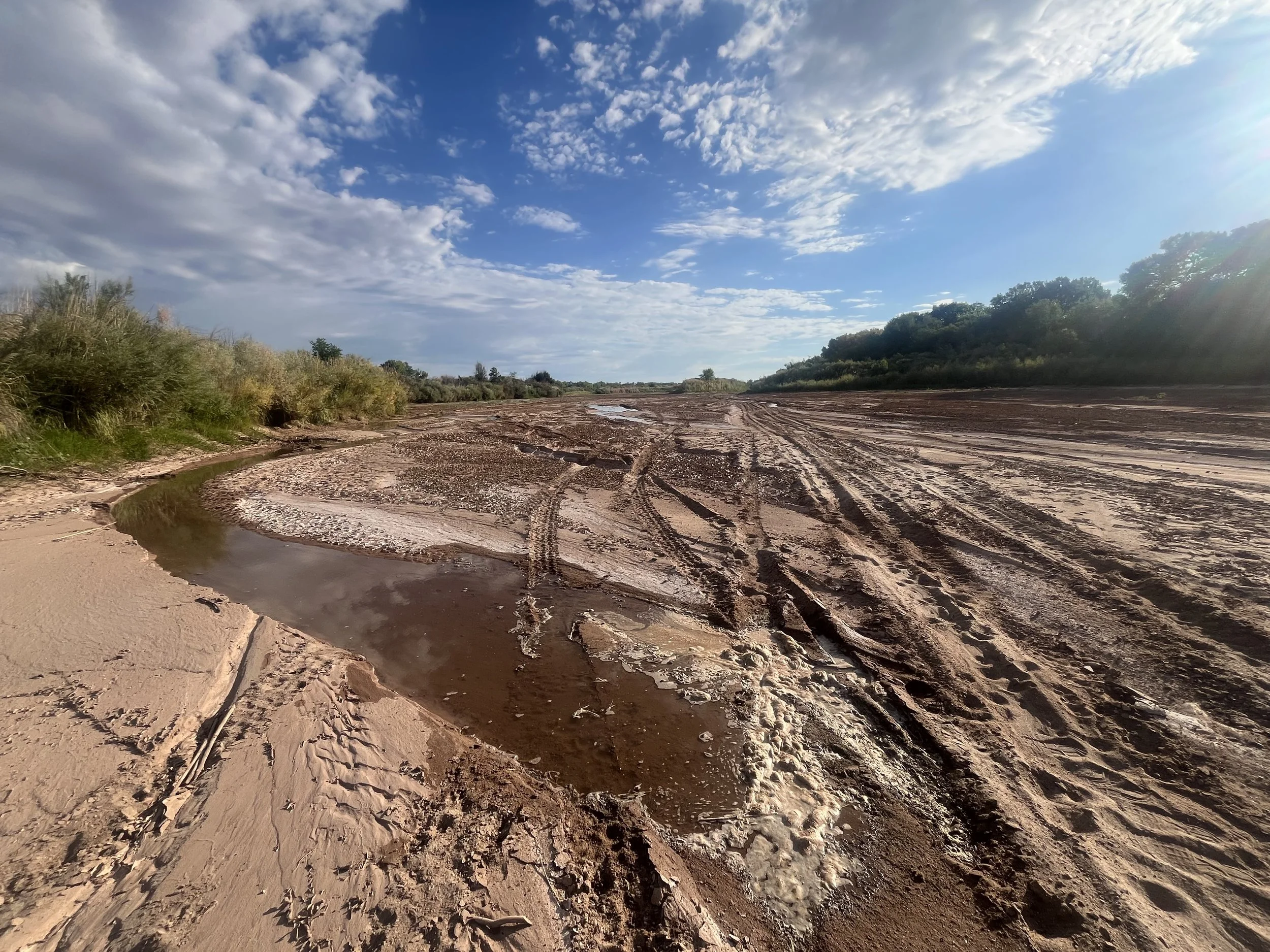
Water security at ‘grave’ risk on the Rio Grande-Rio Bravo
New study shows that 85 percent of the water used in New Mexico from the Rio Grande system is ‘fundamentally unsustainable.’ That doesn’t mean there isn’t water for the river itself, however.
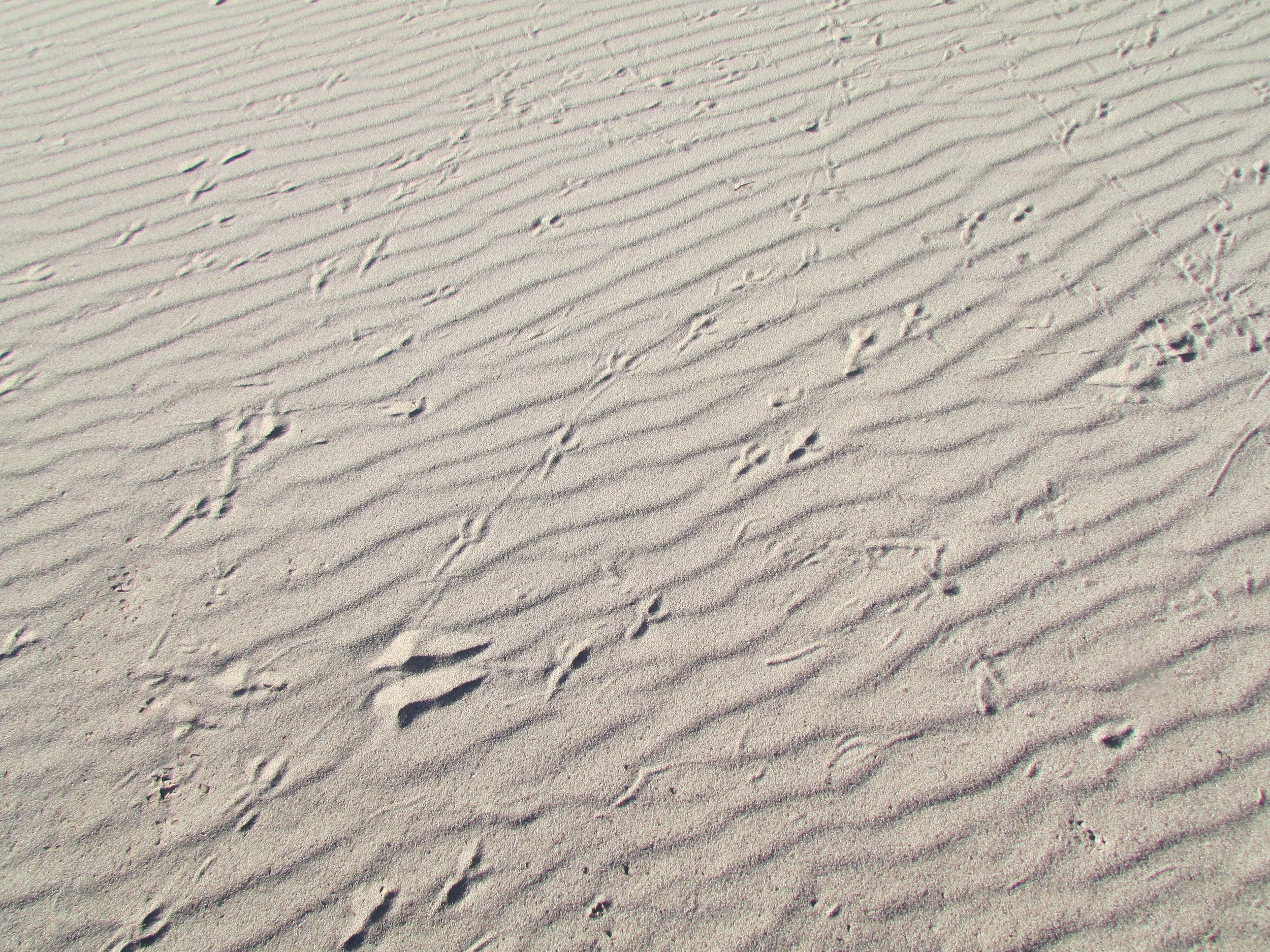
For decades, New Mexico’s Lower Rio Grande has been ‘dry by design’
New Mexico’s rivers lack rights to their own waters.
But it doesn’t have to be that way. Tricia Snyder says the state has useful tools in place. They just need to be better organized. And better funded.
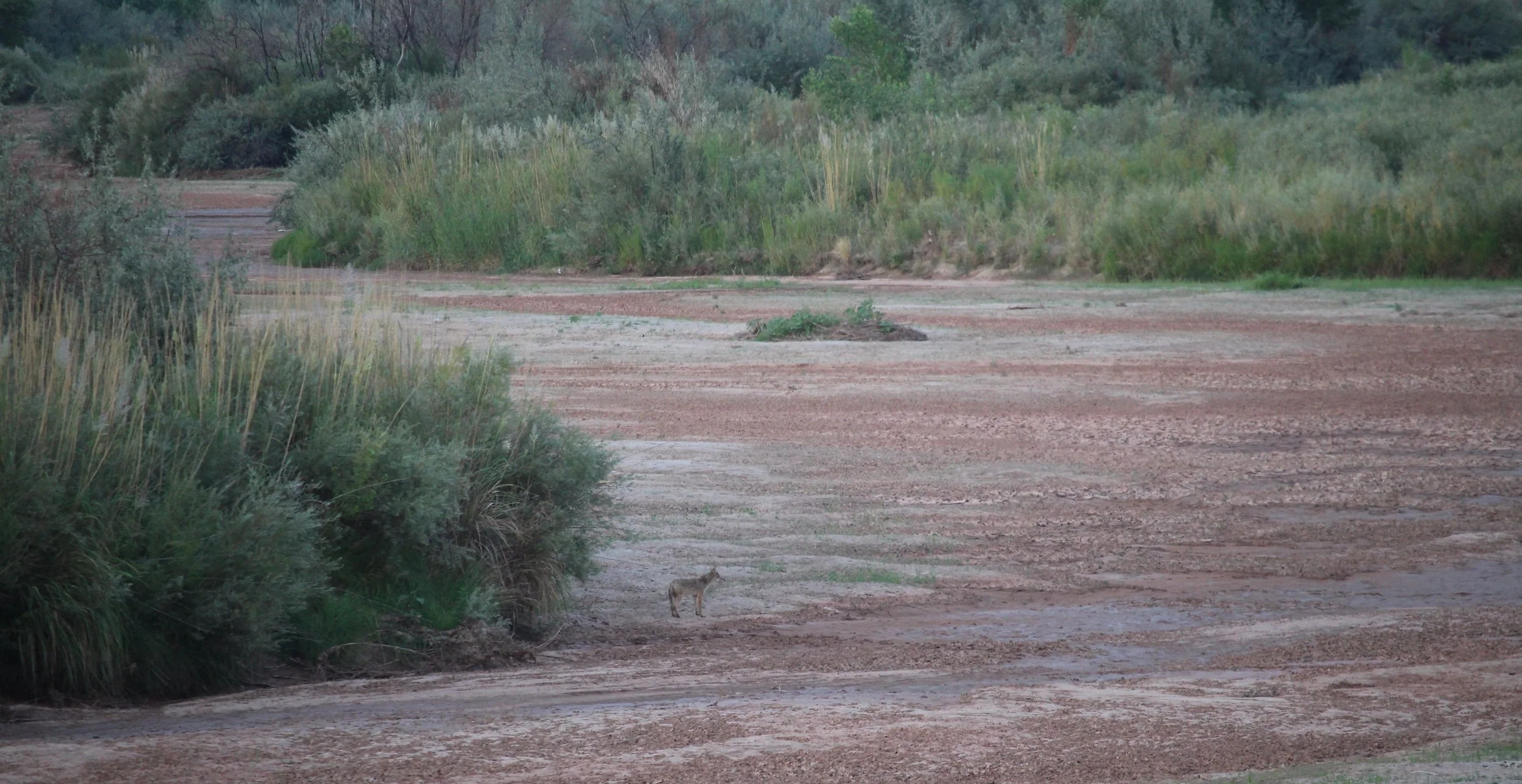
‘We kept it looking like things were normal.’
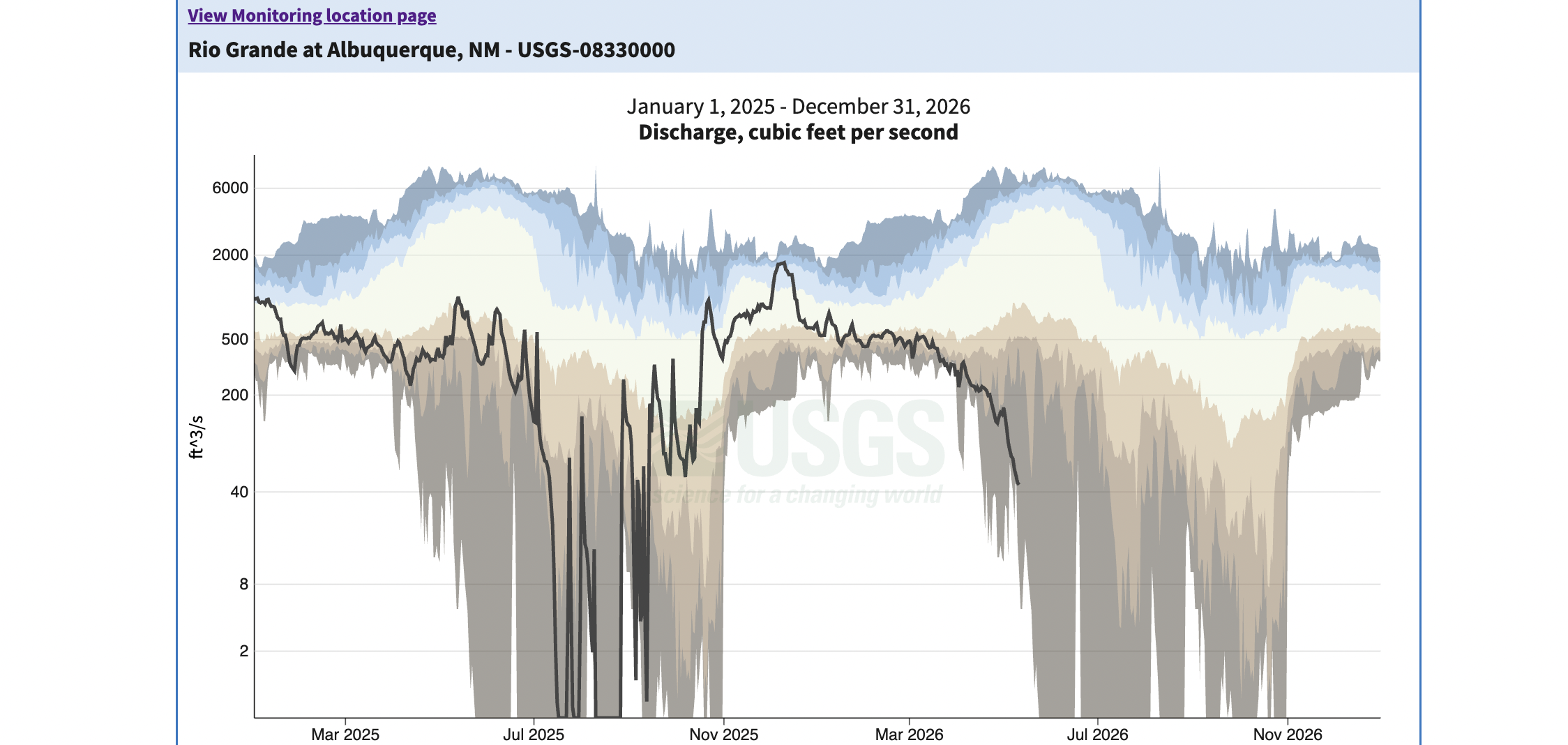
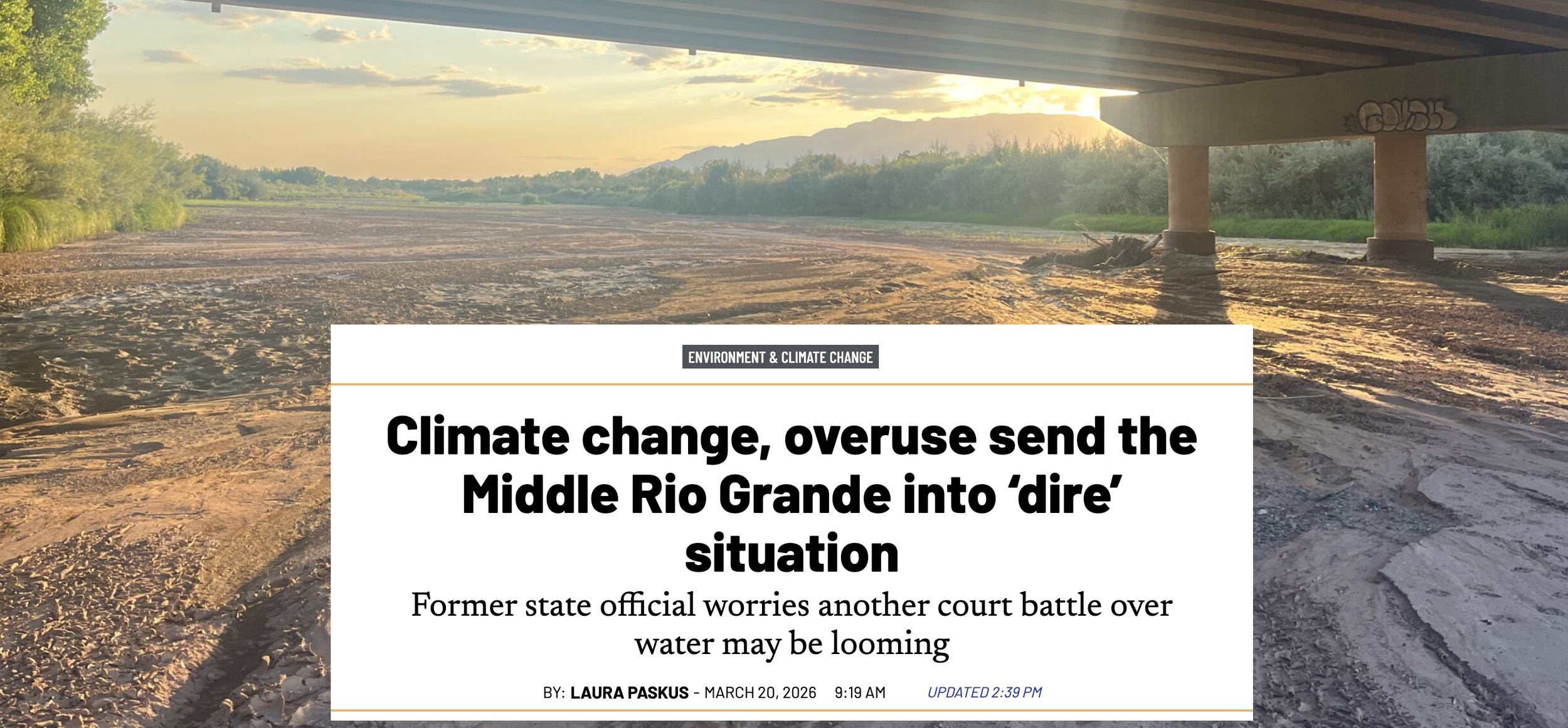
For a few days in July 2022, the Rio Grande dried in Albuquerque. Then, this summer, the Rio Grande through New Mexico’s largest city dried again — for a total of about 50 days spread over six unique drying events from mid-July through mid-September.
I first interviewed hydrologist Dagmar Llewelyn about river drying 23 years ago, and at the time of this recent conversation, we’d just spent two days in a workshop at the University of New Mexico, “Future Scenarios Planning for Drought and River Drying in the Middle Rio Grande.” This is an edited excerpt of one part of our conversation along the river.
Why not envision a better future?
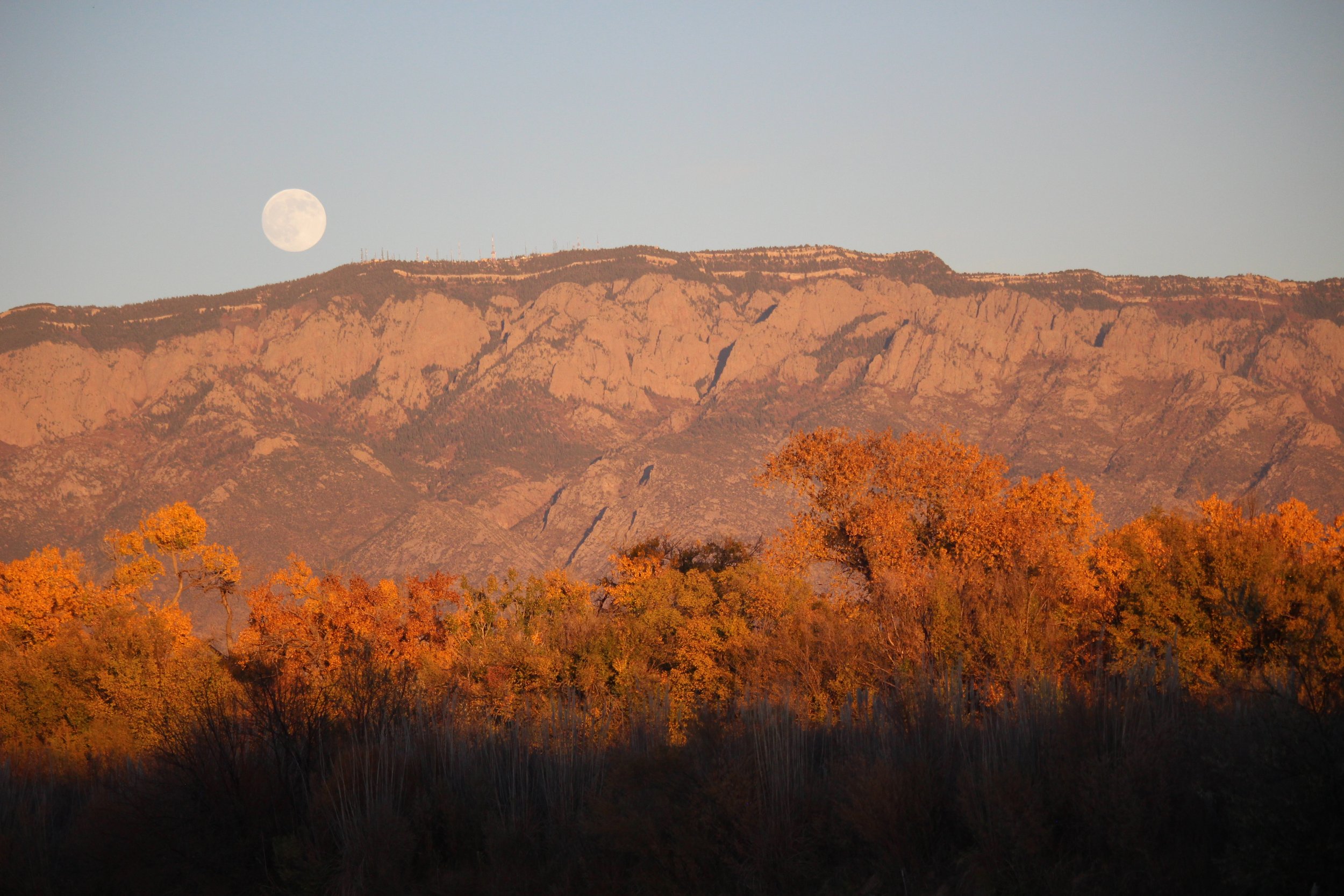
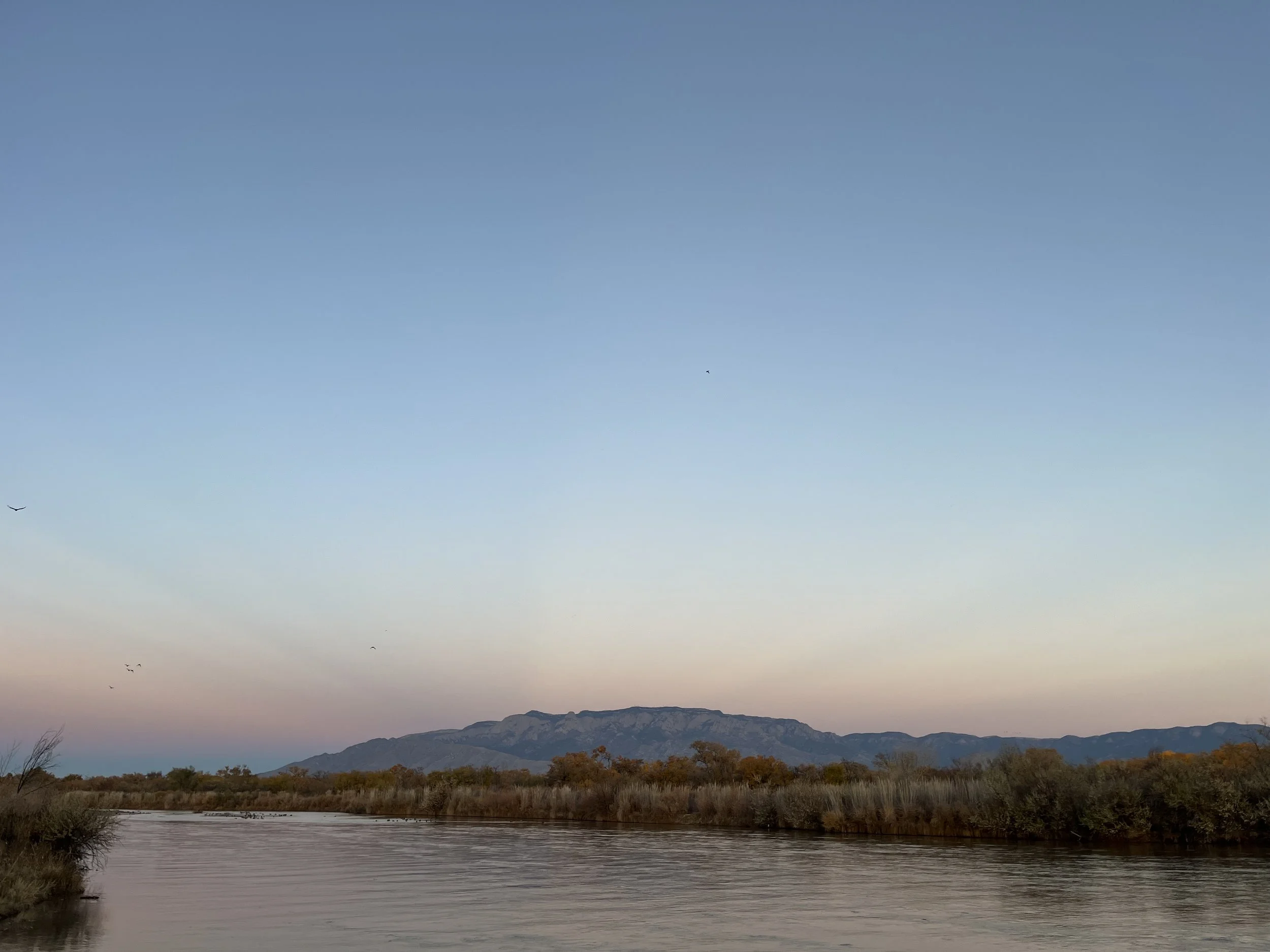
It’s mid-November. And my home river feels alive.
After the dry and disconnected conditions of the summer — when silence reigned in the sandy riverbed of the Middle Rio Grande — sandhill cranes, mallards and wood ducks, cormorants, Canada geese, herons, and crows fill the runway above the river.
It is messy and gorgeous and far from perfect.